
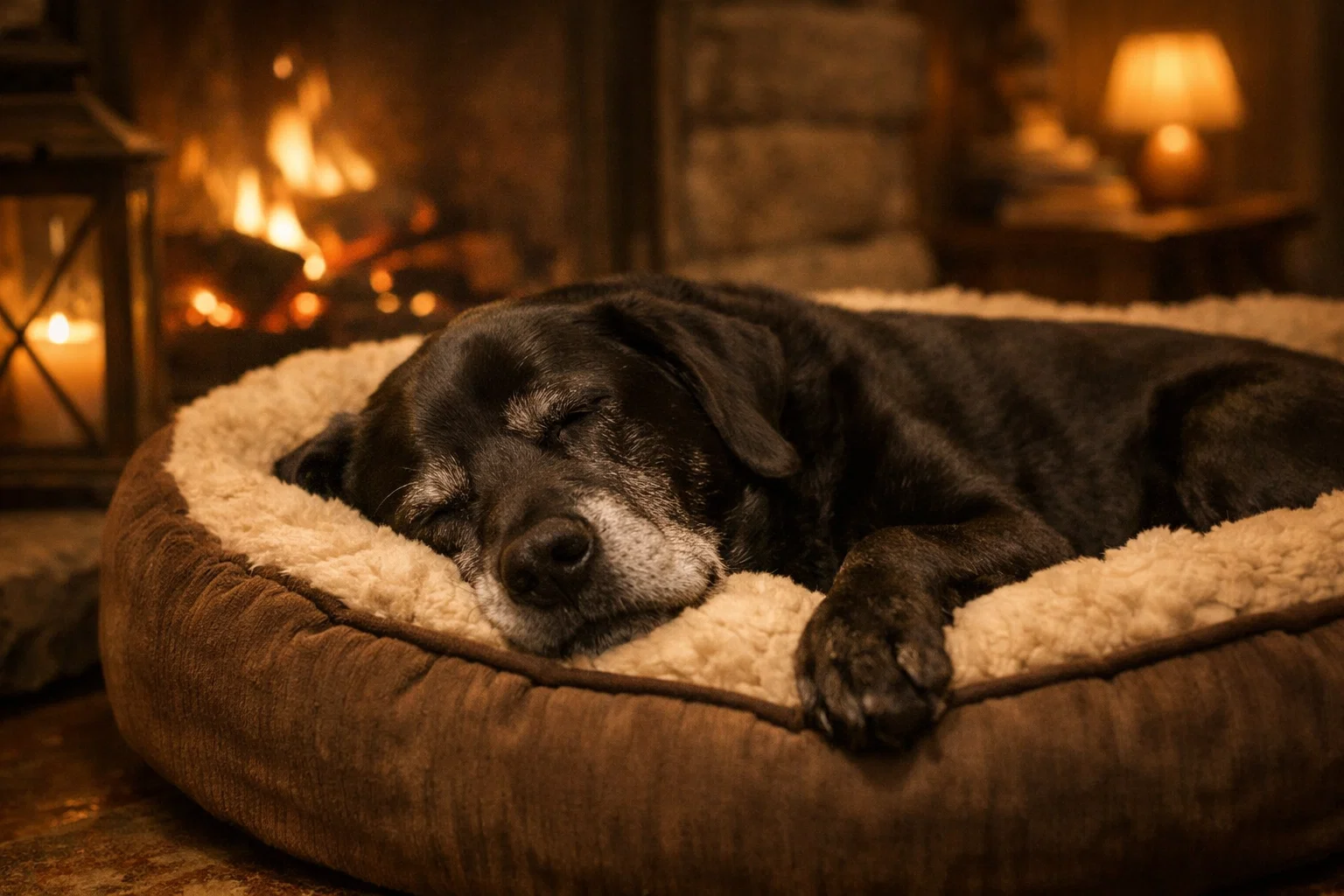
Watching a beloved dog grow old is a journey filled with both tenderness and new challenges. One of the most distressing shifts for owners of aging pets is the “sundowning” effect, where a once-peaceful sleeper begins to pace, whine, or wander aimlessly throughout the night. This nocturnal restlessness is rarely a sign of stubbornness; it is usually a complex mix of physical discomfort and cognitive changes. When the quiet of the night is broken by the click-clack of paws on hardwood floors, many owners feel helpless, fearing that heavy sedation is the only way to find peace for their pet.
Fortunately, supporting a senior dog’s sleep cycle can be achieved through environmental adjustments and natural supplementation. Understanding how cannabinoids interact with the aging brain is just one of the surprising situations where CBD can support your dog, especially when night-time pacing becomes a problem. By addressing the root causes of restlessness rather than just masking the symptoms, you can restore a sense of calm to your household.
The Science of Senior Sleeplessness
As dogs age, their internal circadian rhythm, the biological clock that tells them when to sleep and when to wake, can become desynchronized. This is often linked to Canine Cognitive Dysfunction (CCD), which is similar to dementia in humans. A dog may become disoriented by the dark or forget their house training, leading to anxiety that peaks when the house goes quiet.
Physical factors play an equally large role. Chronic joint stiffness or a full bladder can prevent a dog from falling into the deep, restorative stages of sleep. If a dog cannot get comfortable because of aching hips, they will shift positions constantly, leading to a fragmented night for everyone. Natural care for these dogs involves a two-pronged approach: easing the physical body and quieting the overactive mind.
Creating a Low-Sensory Sleep Zone
The environment that worked for a puppy may no longer suit a senior. Older dogs often experience a decline in sight and hearing, making the total darkness or sudden house noises more startling. Small adjustments can make a significant difference:
- Night Lights: Placing dim LED lights near their bed and the water bowl helps disoriented dogs navigate without panic.
- Orthopedic Support: A bed with high-quality memory foam reduces pressure points on aging joints, making it physically easier for the dog to stay still.
- White Noise: A fan or a white noise machine can drown out the neighborhood sounds that might trigger a “startle” response in a senior dog.
The Role of Natural Calming Aids
Instead of turning to pharmaceutical sedatives that can leave a senior dog groggy or prone to falls during the night, natural options offer a gentler transition into sleep. Valerian root and chamomile are long-standing herbal favorites for mild relaxation. However, the most significant breakthrough for senior pets has been the use of hemp-derived supplements.
By interacting with the receptors that regulate mood and pain perception, these natural compounds help lower the baseline of “night-time hyper-vigilance.” They don’t force the dog into a drugged sleep; instead, they remove the barriers to natural rest. When the joints feel less stiff and the mind feels less clouded, sleep becomes the body’s natural response.
Daytime Activity for Nighttime Success
One common mistake is allowing a senior dog to sleep all day out of pity for their age. While they certainly need more rest than a young dog, a total lack of daytime stimulation leads to “sleep inversion,” where they save all their energy for the night.
Gentle mental stimulation, such as sniffing mats or short, slow “scent walks,” can tire an old dog’s brain in a healthy way. Keeping them engaged during daylight hours helps reinforce the idea that daytime is for activity and nighttime is for deep recovery. Even fifteen minutes of light engagement can shift their internal clock back into a more manageable pattern.
Managing the Midnight Bathroom Break
Kidney function often changes as dogs age, meaning the “hold it” capacity they had at age five is gone by age twelve. If your dog is waking up to pace, they might simply need to go outside. For some seniors, providing a final, late-night bathroom break right before the humans go to bed is essential.
If mobility is an issue, consider “pet grass” or indoor pads specifically for the senior years. Removing the stress of potentially having an accident in the house can significantly lower a dog’s anxiety levels, allowing them to drift back to sleep much faster after they have relieved themselves.
A Path Toward Peaceful Evenings
Restoring the sleep cycle of an aging dog is an act of patience and observation. It is about layering different types of support, physical comfort, cognitive aid, and routine, until the right balance is found. There is a profound sense of relief in seeing an old friend finally let out a deep sigh and settle into a long, quiet slumber. By choosing natural paths to wellness, you are not just stopping the noise at 3:00 AM; you are improving the neurological and physical health of your dog during their most vulnerable years. With the right support, the golden years can truly be a time of rest and serenity.