
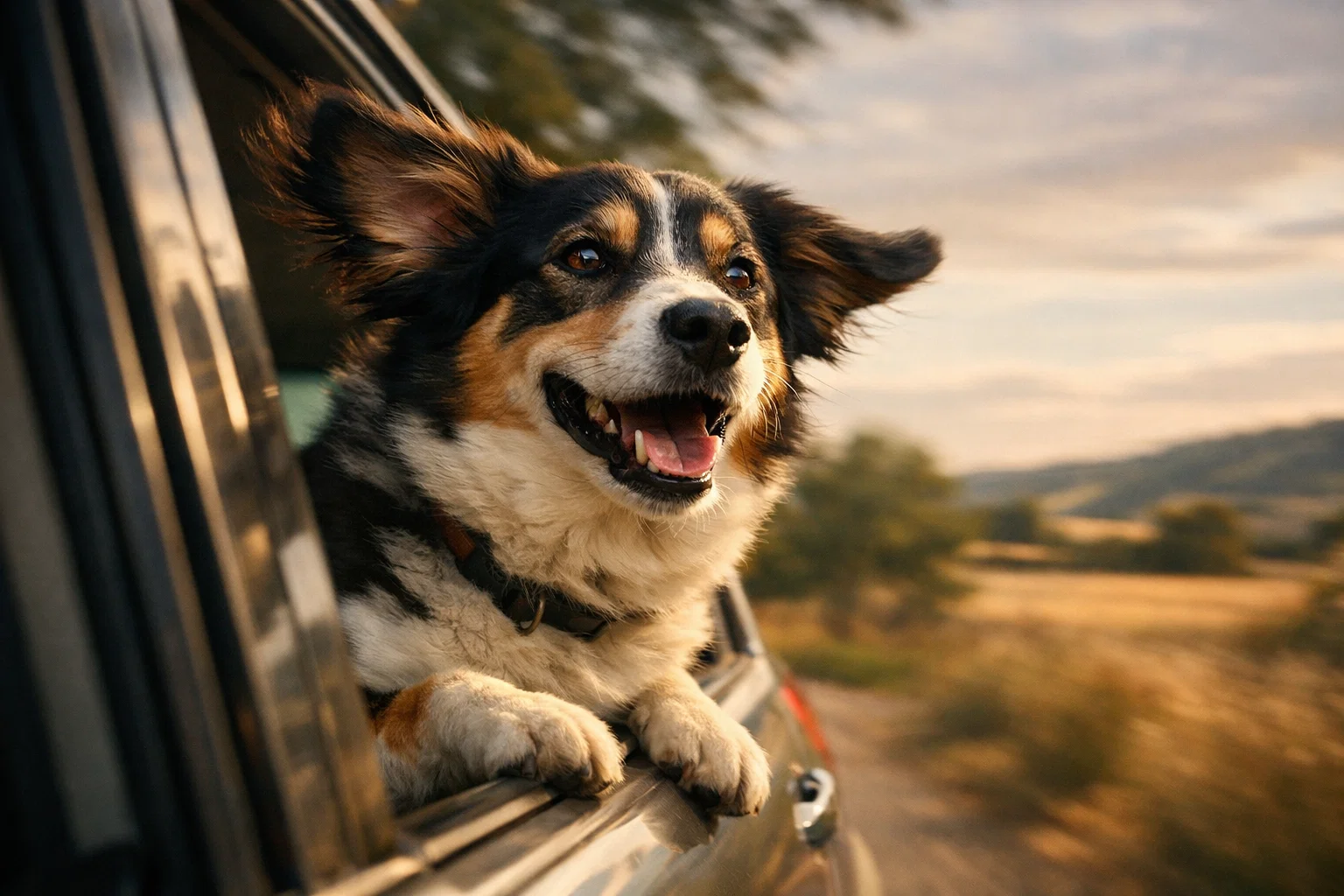
Traveling with a canine companion can be one of the most rewarding experiences for a pet owner, yet for many dogs, the sight of a car door opening triggers immediate dread. Travel anxiety and motion sickness are not merely inconveniences; they are physiological responses that can turn a short trip to the park or a long cross-country move into a traumatic event. Understanding the root causes of these issues allows for a more compassionate, holistic approach to car travel. By combining behavioral conditioning with natural supplements, you can transform the backseat from a place of fear into a comfortable sanctuary.
The mechanics of canine motion sickness often stem from a disconnect between what the dog sees and what their inner ear senses. In younger dogs, the ear structures used for balance are not always fully developed, making them more prone to nausea. While many puppies outgrow this, the negative associations formed during those early nauseous rides often evolve into behavioral anxiety that persists into adulthood. While most owners use it for thunderstorms, there are actually several surprising situations where CBD can support your dog during long car journeys. This natural intervention addresses both the physical sensation of nausea and the psychological cycle of panic that many dogs experience before the engine even starts.
Identifying the Signs of Distress
Recognizing travel distress early is key to intervention. It is a common mistake to assume that a dog is only “car sick” if they physically vomit. In reality, the symptoms are often much more subtle. Excessive drooling, frequent yawning, and repetitive lip licking are all primary indicators of nausea. Behavioral signs include trembling, whining, or a refusal to enter the vehicle. Some dogs may become unusually still and withdrawn, while others may pace restlessly in the back seat.
When these signs appear, the dog’s nervous system is in a state of high alert. This “fight or flight” response makes it impossible for the dog to relax or enjoy the journey. Addressing these symptoms naturally involves calming the central nervous system without the heavy sedation often associated with pharmaceutical options. Natural support helps bridge the gap, allowing the dog to remain conscious and alert but significantly less reactive to the movement of the car.
The Power of Habituation and Desensitization
Supplements work best when paired with a solid behavioral foundation. Desensitization is the process of slowly introducing your dog to the car in a way that does not trigger fear. Start by simply sitting in a stationary car with your dog, providing high-value treats and praise without ever turning the motor on. Once the dog is comfortable, move to short sessions with the engine idling.
Progress to “micro-trips” around the block that end in something positive, such as a visit to a trail or a quick game of fetch. The goal is to break the association that the car only leads to the veterinarian or to a state of physical illness. During these training phases, natural calming aids can be used to lower the anxiety threshold, making it easier for the dog to learn that they are safe.
Natural Remedies for Motion Sickness
Beyond behavioral work, several natural substances can mitigate the physical sensation of nausea. Ginger is perhaps the most well-known natural anti-emetic. Administering a small amount of pet-safe ginger about thirty minutes before a trip can help settle the stomach and reduce salivation.
Peppermint is another effective tool. The scent of peppermint oil on a cotton ball placed safely out of reach within the car can help clear the senses and provide a cooling, soothing environment. Furthermore, ensuring proper ventilation is crucial. A cracked window provides fresh air and helps equalize the pressure inside the car, which can assist with inner ear balance issues.
Creating a Calm Environment
The physical environment inside the vehicle plays a massive role in how a dog perceives the trip. Restraint is not only a safety requirement but also a comfort measure. A high-quality car harness or a secured crate can make a dog feel more “grounded.” Many dogs feel more anxious when they are sliding around on leather seats; a stable, familiar bed placed on the floor or seat can provide a sense of security.
Consider using “calming music” specifically designed for canine ears, which often utilizes low frequencies to encourage rest. Covering a crate can also help by limiting the visual triggers of passing cars and changing lights, which can be overstimulating for an anxious pet. By controlling the sensory input, you reduce the total load on the dog’s nervous system.
The Role of Routine and Timing
Managing a successful road trip starts hours before you hit the road. It is generally recommended to travel with a dog on an empty stomach to minimize the risk of vomiting, though a very small, light snack can sometimes prevent “empty stomach” bile reflux. Exercise is another critical component. A long, vigorous walk before the trip helps burn off excess energy, making the dog more likely to sleep through the journey.
During long hauls, plan for frequent breaks every two to three hours. These stops are not just for bathroom breaks; they allow the dog’s inner ear to reset and provide an opportunity for hydration. Always offer water in small amounts to avoid bloating.
Why a Holistic Approach Wins
The benefit of using natural methods like CBD, ginger, and behavioral conditioning is the lack of “hangover” effects. Traditional sedatives can leave a dog groggy, disoriented, and unable to enjoy the destination once you arrive. Natural support focuses on balance rather than suppression. By supporting the endocannabinoid system and using herbal digestive aids, you are helping the dog’s body manage its own stress levels.
This holistic strategy ensures that the dog remains a participant in the family adventure. Over time, as the dog realizes that car rides do not result in sickness or fear, the need for intensive intervention often decreases. You are essentially retraining the brain to perceive travel as a neutral or positive event.
New Horizons and Happy Tails
Preparing a dog for a road trip requires patience and a multi-faceted strategy. There is no magic pill that solves travel anxiety overnight, but the combination of a calm environment, consistent desensitization, and natural supplemental support creates a powerful framework for success. By understanding that travel anxiety is a physical and emotional challenge, owners can provide the necessary tools to help their dogs navigate the open road with confidence. Whether it is a quick trip to the store or a thousand-mile journey, every dog deserves to feel at ease in the family vehicle.